

What Is Drone Insurance and Why Is It Important?
Why do I need drone insurance?
Operating a drone, whether for photography, inspection, surveying, or industrial applications, always involves operational risks. These may include accidental crashes, damage to property, or incidents involving third parties.
Drone insurance plays an important role in risk management for drone operations and helps reduce the financial burden that may result from operational incidents.
Whether you are a consumer drone user, an aerial photographer, or an enterprise drone operator in industrial environments, understanding the proper type of drone insurance is essential.
Understanding Third Party Liability Insurance

Third Party Liability Insurance is coverage designed to protect drone operators from liability toward external parties who may be affected by drone operations.
Examples include:
-
Injury to other individuals
-
Damage to property
-
Damage caused by drone-related incidents
-
Accidents involving external contractors or outsourced personnel during operations
-
Damage caused by drone operations in public areas
Suitable for:
-
General drone operators
-
Aerial photographers
-
Drone operators working in public environments
-
Individuals or organizations conducting commercial drone operations
Examples:
-
Drone crashes damaging vehicles or buildings
-
Operational incidents causing injury to nearby individuals
-
Damage occurring during aerial filming or survey missions
Therefore, understanding and selecting the appropriate Third Party Liability Insurance based on the type of operation and operational risks is extremely important.
Hull Insurance (Overhaul Coverage)
Hull Insurance or Overhaul Coverage is protection for the drone aircraft itself against incidents such as crashes, collisions, loss, or operational accidents according to the insurance policy conditions.
Coverage may include:
-
Drone aircraft body
-
Payload systems
-
Operational equipment
Coverage details depend on the policy conditions.
Suitable for:
-
Professional drone operators
-
Enterprise drone operations
-
Industrial, surveying, and inspection work
-
Operations using high-value payloads or specialized sensors
-
Organizations or companies managing long-term drone operations

Deductible

Drone Hull Insurance or Overhaul Coverage generally includes a deductible amount that the insured party must be responsible for in the event of an insured incident.
Coverage may include:
-
Drone aircraft body
-
Payload systems
-
Operational equipment according to policy conditions
Suitable for:
-
Professional drone operators
-
Enterprise drone operations
-
Industrial or high-risk operations
-
Operations using expensive payloads or sensors
Deductible Amounts for Consumer and Enterprise Drones
For Consumer drone insurance or general-use drones, deductible rates are generally lower due to lower operational risks.
Examples include:
-
DJI Mini Series
-
DJI Air Series
-
DJI Mavic Series
-
General aerial photography drones
For Enterprise drones or industrial operations, deductible rates are usually higher due to:
-
Higher aircraft value
-
Expensive payload systems
-
RTK / LiDAR / Thermal Sensor systems
-
More complex operational environments
-
Higher repair and replacement costs
Example:
If the insured value is 500,000 THB and the deductible is 10%
the insured party is responsible for: 50,000 THB
Therefore, understanding the deductible structure before purchasing insurance helps operators better evaluate operational risks and insurance conditions.
Why Enterprise Drones
Have Higher Deductibles
Enterprise drone systems often involve:
-
High-value aircraft
-
Specialized payloads and sensors
-
RTK / LiDAR / Thermal Sensor systems
-
Complex operational workflows
-
Higher repair and replacement costs
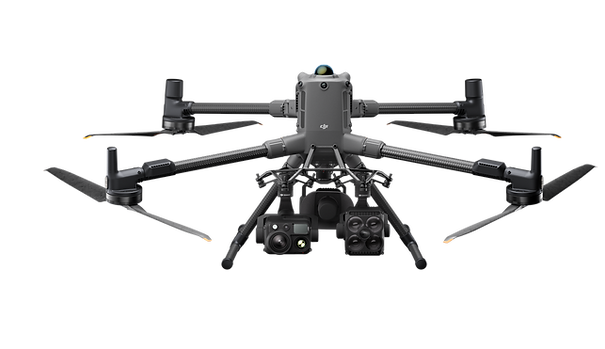
As a result, insurance companies generally assess Enterprise drone operations as having higher operational risk than Consumer drone operations or standard aerial photography activities.
When Should You Choose Third Party Liability Insurance or Hull Insurance?

The selection of drone insurance depends on:
-
Type of drone operation
-
Operational risks
-
Work environment
-
Aircraft value
-
Potential impact from operational incidents
Third Party Liability Insurance is suitable for:
-
General drone users
-
Commercial drone operators
-
Drone operations in public areas
-
Organizations conducting standard drone operations
Hull Insurance is suitable for:
-
Professional drone operators
-
Enterprise drone operations
-
Industrial missions
-
Operations using high-value payloads
-
Work where aircraft damage could significantly affect operations
Drone insurance should not be viewed as “unnecessary expense,” but rather as an important risk management tool in drone operations.
Important Documents
for Drone Insurance Claims
1. Incident Report or Police Report
Used to confirm accidents, incidents, or aircraft loss.
2. Flight Log or Flight Data
Used to verify:
-
Flight path
-
Aircraft behavior
-
System status before the incident
-
Final recorded position and flight time
-
Notify the Insurance Company Immediately After the Incident
3. The insured person should notify the insurance company as soon as possible so the claim process and investigation can begin properly.
4. Continuous Aircraft Search Record for at Least 30 Days
For aircraft loss cases such as:
-
Falling into the sea
-
Lost in forest areas
-
Lost in difficult-to-access locations
Should include:
-
Photos
-
Search activity records
-
Coordinates
-
Tracking reports
-
Evidence of coordination with relevant authorities
To demonstrate reasonable effort in searching for and recovering the aircraft.
5. Manufacturer or Service Center Technical Report
The report should identify:
-
Cause of crash or damage
-
System inspection results
-
Confirmation that the incident was caused by an accident
-
No intentional misconduct
-
No modification against operating conditions or policy terms

Clear supporting documentation greatly improves the efficiency of insurance claim processing.
Coverage conditions, insured amounts, policy terms, exclusions, deductibles, and claim assessment details may vary depending on the insurance company and policy conditions. Therefore, insured parties should carefully review the policy details and consult with insurance representatives, brokers, or related service providers to confirm coverage conditions before purchasing insurance or submitting a claim.
Who Handles the Process?

Drone insurance and registration services are supported by:
Thailad Drone Insurance Insurance & Registration Services (TDS)
Our team specializes in drone insurance and registration support for various categories of drone operations, from consumer drones to Enterprise UAV systems, including multirotor aircraft, industrial operations, and specialized operational workflows.
We focus on helping operators better understand operational risks and insurance requirements.
Start Properly from the Beginning
Proper drone operation should begin with understanding operational risks and selecting suitable protection.
For additional information regarding drone insurance, policy conditions, and operational guidance, please contact:
Thailand Drone Insurance & Registration Services (DTS)
Or contact our team for assistance.