
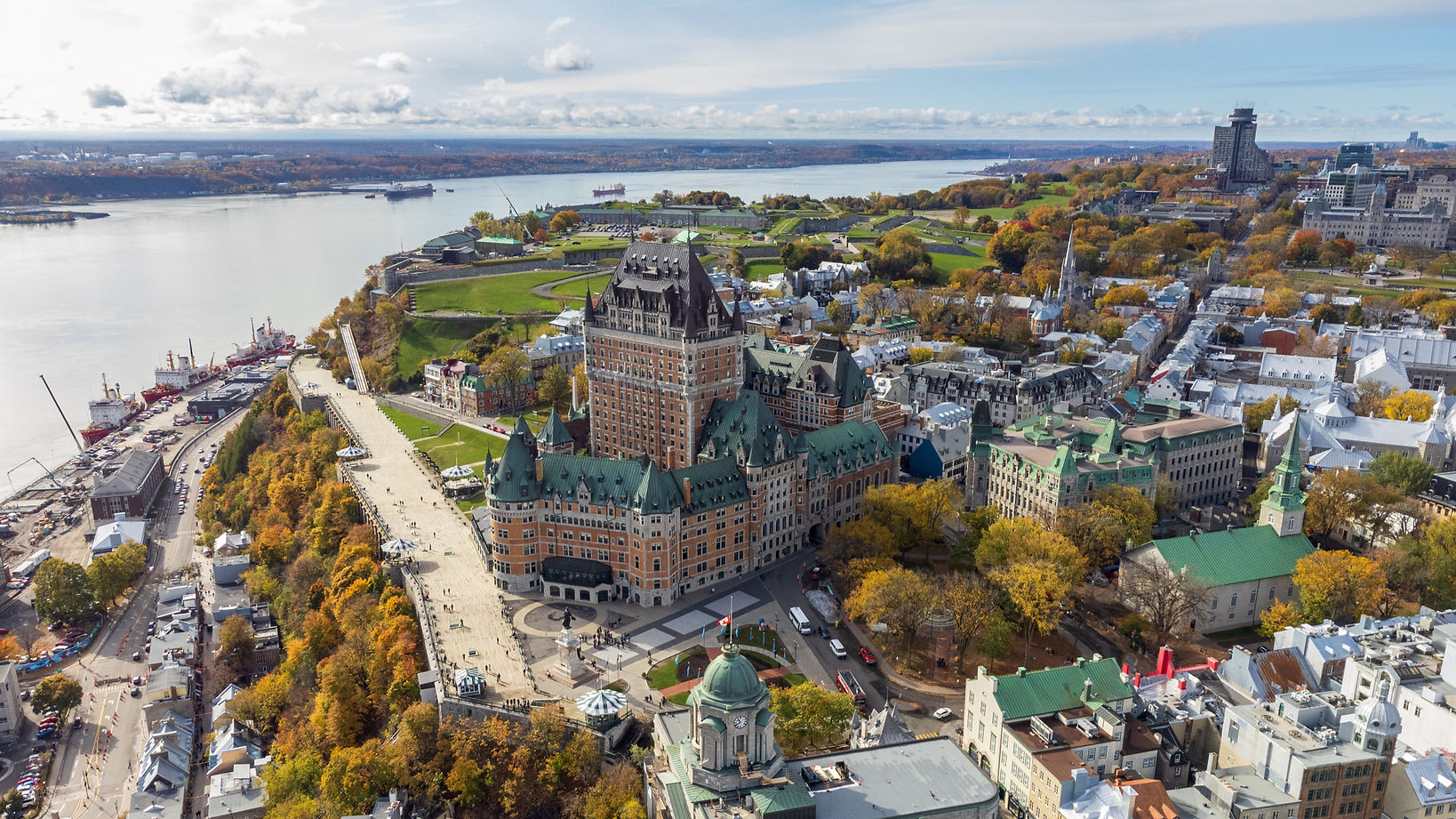
Drone flying courses in Canada
For Thai Drone Pilots
Who Want to Fly Legally in Canada
For Thai pilots who wish to legally operate drones in Canada, this guide covers Transport Canada regulations, preparing for the online license exam, and understanding flight area restrictions.
DTTC has developed a systematic curriculum to help learners understand Canadian law, registration procedures, and safe practices to reduce the risk of fines or device seizure while traveling.
Drone regulatory agency
of Canada
Transport Canada (TC) is the primary agency responsible for:
-
Enact laws and regulations regarding drone flights.
-
Controlling the drone pilot license examination.
-
Designated No-Flight Zone (NFZ)
-
Enforce the law and penalties.
Key points
Canada does not use EASA / does not use the UK CAA.
Only the laws specific to that country are applied.
Canada's Drone Legislative Structure (Overview)
Canada categorizes drone flights into the following main types:
Recreational / Non-Commercial
Basic Operations
Advanced Operations
Micro Drone (<250g)
Most tourists are involved in micro/basic operations.
Who needs to study and take the exam?
Suitable for:
-
Thai tourists who brought drones to Canada.
-
Family / Travel Photographer
-
Drone users use drones to record memories.
-
Those who want to fly legally and avoid problems at customs.
Not suitable for:
-
Contract work
-
Commercial work
-
Media/Advertising
What will you study?
Canadian Drone Rules
Classifying drones by weight.
Basic vs. Advanced Operations
Drone Pilot Exam (Online Exam)
No-Flight Zone (NFZ)
Legal liability and penalties.
Where can it be used?
-
Applicable Throughout Canada
-
All provinces and territories.
Caution
Certain cities, parks, and local jurisdictions may impose additional restrictions beyond federal aviation regulations.
Operators are responsible for verifying both national and local requirements before conducting any flight operations.
When should one study?
-
Before your trip (highly recommended).
-
You can take the exam online from Thailand.
-
Prepare the necessary documents and ensure you have the necessary understanding before entering the country.
Why should I study?
-
Canada is implementing strict checks.
-
High fines
-
Park Rangers have the authority to order a flight stoppage.
-
Drones can be confiscated immediately if violated.
Basic Requirements
for Tourists
(Key Requirements)
1. Drone weight.
Micro Drone (<250g)
No exam required.
No registration required.
But NFZ (National Area Zone) and safety measures must still be respected.
250g – 25kg
You must pass an exam (at least the basic one).
Drones must be registered.
You need to bring the certificate.
Drone registration
-
Required if the drone ≥ 250g
-
The registration number must be attached to the drone.

Major flight restrictions (Canada Rules)
-
Height not exceeding 122 meters (400 ft).
-
The drone must be visible to the naked eye (VLOS).
-
Do not fly near people.
-
Do not fly over crowds.
-
No flights allowed near airports/heliports.
-
Maintain distance from buildings and vehicles.
No Fly Zones (NFZ)
Absolutely no flying allowed.
-
airport
-
cantonment
-
Key structures of the state.
-
Emergency (wildfire / rescue)
Areas that tourists often miss.
-
National parks (mostly no flying allowed).
-
Provincial Parks
-
Some city parks
-
Indigenous land
Very important
-
Canadian national parks
-
Almost all flights are prohibited.
Airfield checking tool
Recommended to use:
-
Transport Canada Drone Map
-
NAV CANADA
-
NOTAMs before flying.
Penalties and punishments
If you violate the rules:
-
Fined several thousand Canadian dollars.
-
Seize the drone.
-
Historical records
-
In some cases, flights are permanently banned.
Serious cases:
-
Fly near the airport.
-
Risks danger to the public.
-
Violating park laws.
Common problems encountered
by Thai tourists
-
I think anything weighing less than 250g can fly anywhere.
-
I didn't know flying was prohibited in the National Park.
-
No test was conducted, but the drone weighed over 250g.
-
Trust Google Maps instead of official maps.
-
Flying within the city without knowing local restrictions.
How can our course help you?
-
Clearly distinguish between those that can fly and those that cannot.
-
Summarizing legal laws without having to read long documents.
-
Prepare for the Basic exam with a true understanding.
-
Tips for planning your flights during your trip.
-
Reduce the risk of being fined or having your drone confiscated.
Limitation of legal liability
-
The course is designed for knowledge transfer and exam preparation.
-
It is not a licensing agency.
-
Law enforcement is under Transport Canada and local authorities.
-
Users must check the latest regulations before every flight.